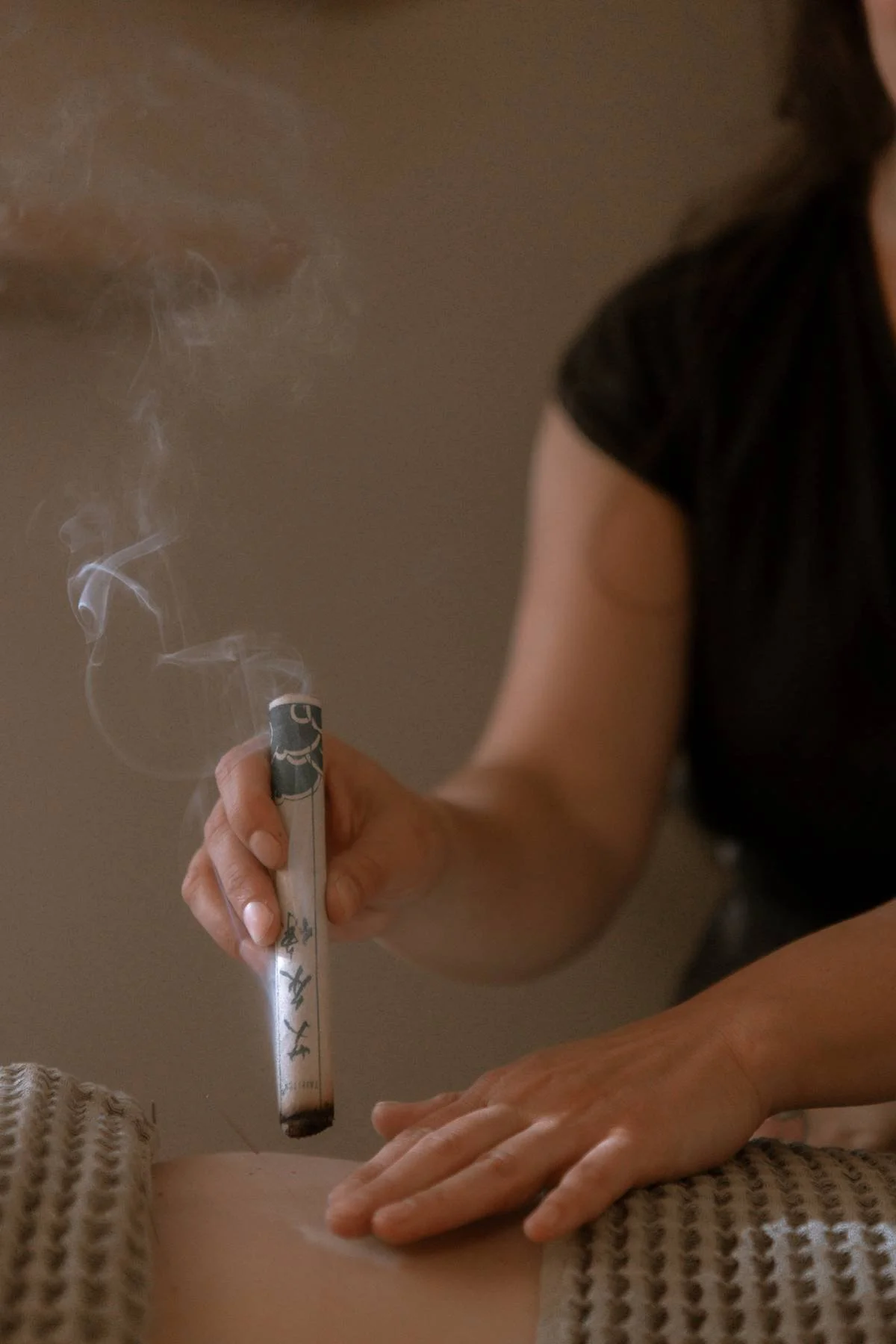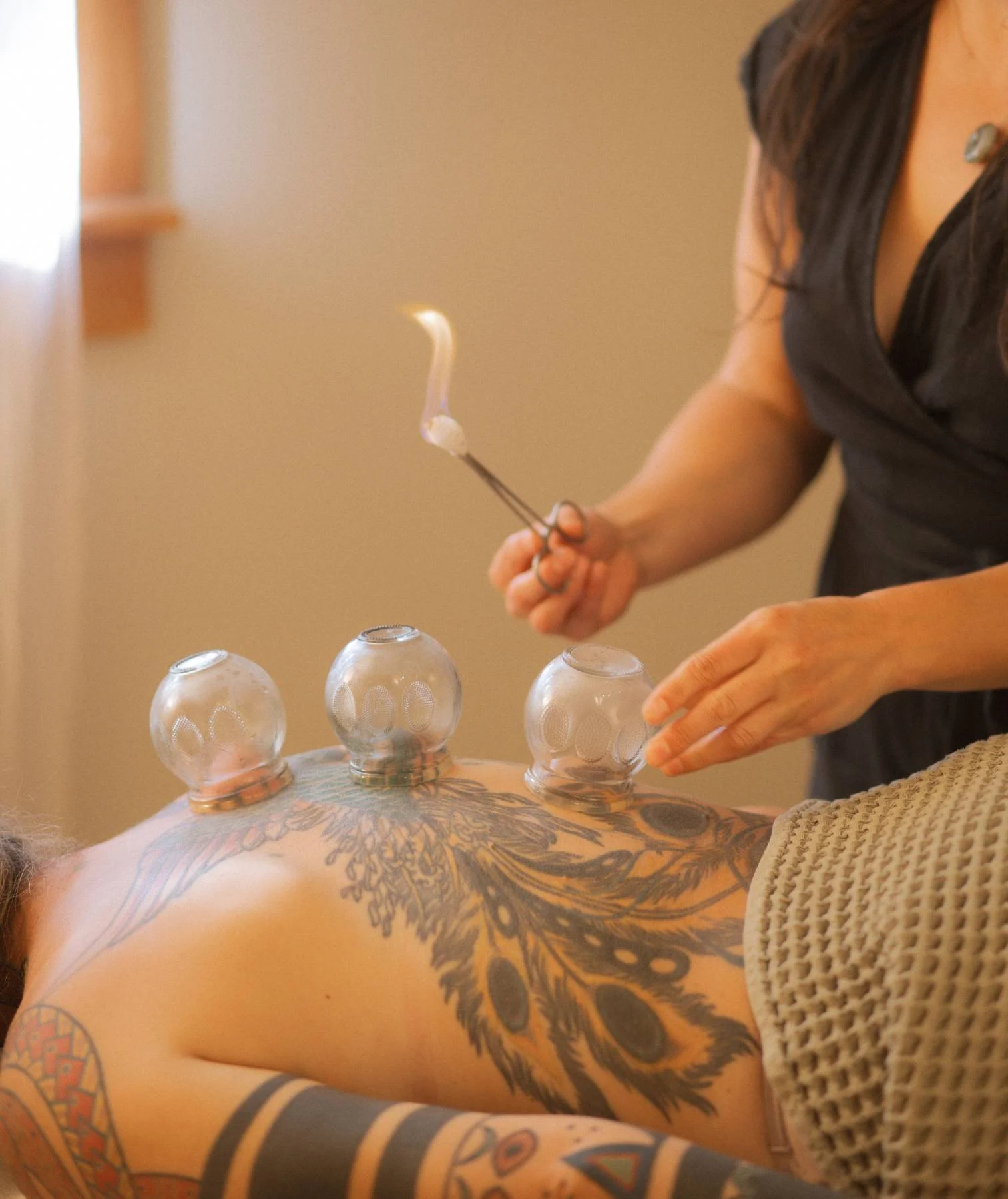
There are many ways that Acupuncture can help.
Why Acupuncture?
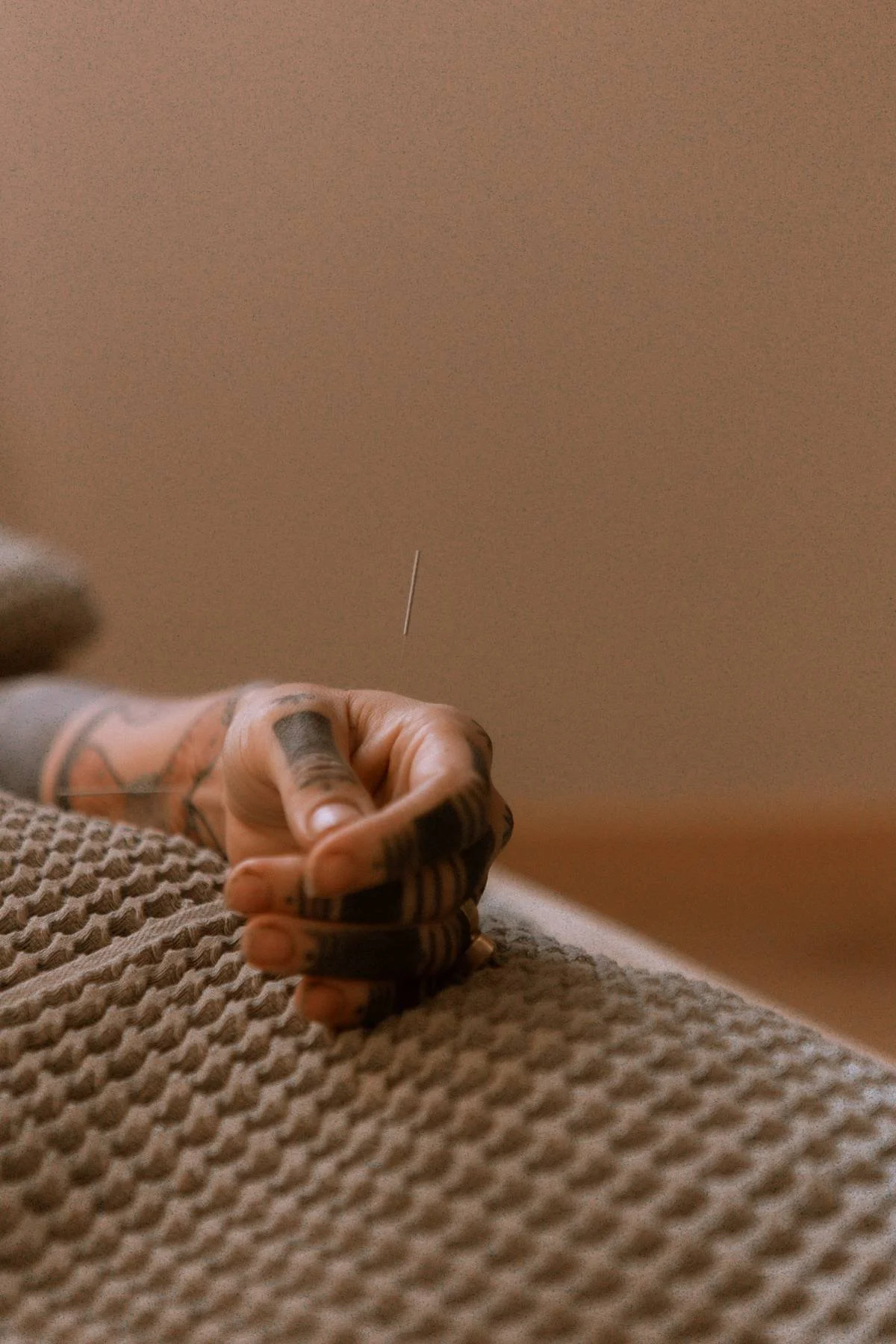
Acupuncture is a comprehensive system of medicine rooted in thousands of years of empirical study and evidence. It works by stimulating specific points along channel pathways that elicit the movement of “Qi” to address excess, deficiencies, or obstructions within the body which can lead to physical and emotional distress.
Modern science now suggests acupuncture may work by triggering neurological responses, releasing endorphins, improving circulation, and reducing inflammation. Clinical studies have shown effectiveness for pain management, stress reduction, and various health conditions.
By profoundly influencing the parasympathetic nervous system acupuncture works at multiple levels, addressing not only the physical symptoms but also deeply rooted emotional issues thereby offering a truly holistic approach to healing and well-being.
Acupuncture is where the physical, spiritual, and biomedical meet.
Why Rhythm?
Chinese medicine recognizes that our bodies are intimately connected to natural cycles. Each organ system has optimal times of activity throughout the day, while our energy needs shift dramatically with the changing seasons.
Health isn't just about what we do—it's about when we do it. Aligning our rhythms of eating, sleeping, working, and resting with these natural patterns allows the body to function as designed. When we consistently work against these cycles—eating late, staying active when we should rest, or ignoring seasonal shifts—we deplete our reserves and create imbalance ——> Enter Acupuncture !
By attuning to nature's rhythms rather than overriding them, we support the body's innate wisdom and build lasting vitality.
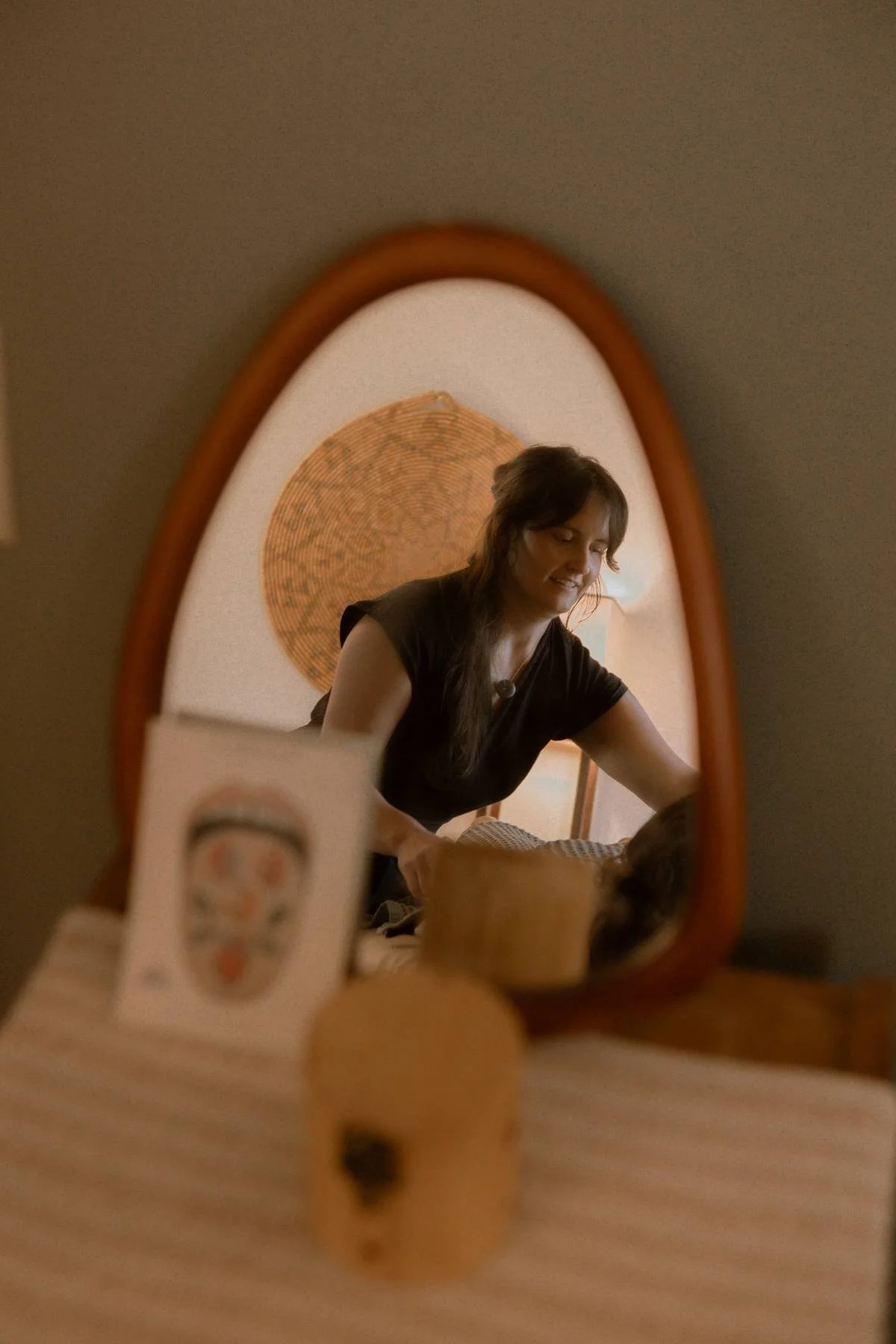
What is Classical Chinese Medicine?
Classical Chinese Medicine represents a restoration of the comprehensive classical system practiced by Chinese masters from the 5th century BCE through the 12th century CE, utilizing all 68 acupuncture channels rather than the limited subset of 12 employed in modern TCM (Traditional Chinese Medicine). The distinction is fundamental: while the 12 Primary Channels address organ function and can provide significant symptomatic relief, they operate at a superficial level that cannot penetrate to the constitutional depth where chronic illness takes root. This inherent limitation explains why conventional acupuncture, though beneficial for many, fails to produce lasting results for a substantial portion of patients.
The remaining 56 Complement Channels function as a sophisticated defense and regulatory system, each group serving distinct therapeutic purposes. The Sinew Channels address structural integrity and acute trauma, the Luo Channels govern psychological and hematological disorders, the Divergent Channels treat chronic degenerative conditions and organ-specific pathologies, and the Extraordinary Channels access developmental origins of illness—including childhood trauma, constitutional weaknesses, and existential disruptions.
By engaging this complete channel architecture, CCM practitioners can accomplish what modern approaches cannot: they can locate and access the root pathology at its constitutional source, enabling them to arrest and reverse chronic degenerative processes, auto-immune conditions, and other complex pathologies that typically resist conventional treatment. This represents a shift from symptomatic management to genuine resolution of disease at its origin.